

Thai firms shift into defense contracts as government mandates local suppliers
Thai businesses are pivoting toward military contracting as the government mandates domestic procurement. Drone and satellite firms are among those racing for defense contracts, signaling a structural shift in how the country sources military equipment.

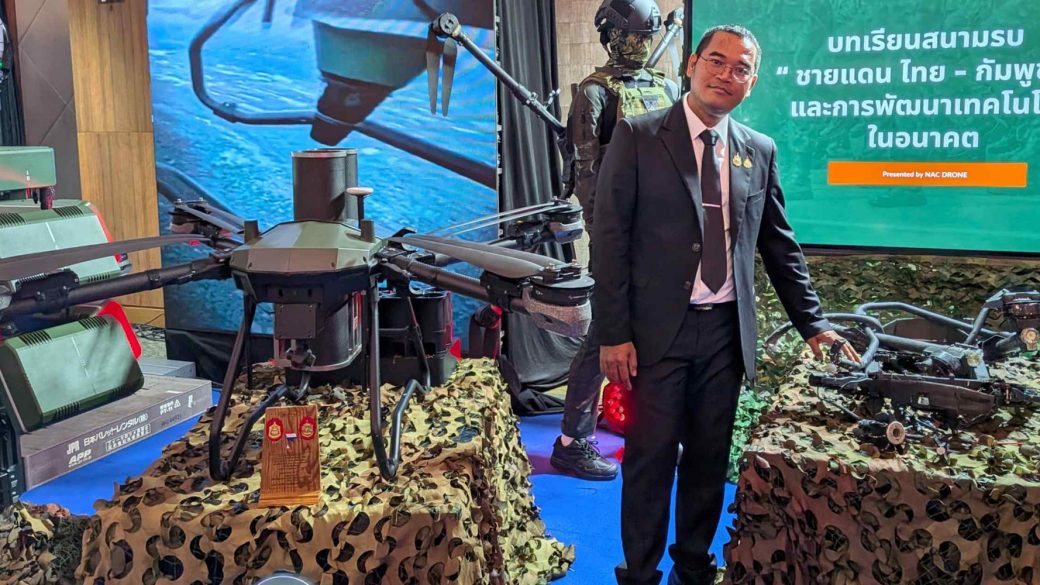
Thailand's government push to increase domestic defense procurement is redirecting companies from unrelated sectors into military contracting. Agricultural drone operators and satellite service providers are among the businesses pursuing military contracts as the policy reshapes procurement patterns.
The shift reflects a broader strategy to build local defense capabilities. According to Nikkei Asia, companies across agriculture, aerospace, and technology are racing for military contracts as procurement rules tighten around local sourcing requirements.
NacDrone, an operator in the drone sector, exemplifies this pivot. CEO Asawin Rompasert showcased the company's capabilities at a defense industry exhibition in Bangkok in July, signaling participation in the emerging contracting landscape.
The government's local procurement mandate creates both opportunity and pressure for Thai firms. Companies must develop or adapt products to meet military specifications, a process that demands investment in R&D and compliance infrastructure. For established businesses in adjacent sectors like agriculture or satellite communications, the defense market offers a new revenue stream but requires navigating unfamiliar regulatory and technical requirements.
The timing of Thailand's push coincides with broader regional military modernization efforts across Southeast Asia. Governments in the region are reassessing supply chain dependencies and seeking indigenous production capacity for defense equipment, creating structural demand for local suppliers.
These procurement policies do not guarantee commercial success for pivoting firms. Military contracts typically involve longer sales cycles, stricter performance standards, and concentrated buyer power. Companies from agricultural or civilian tech backgrounds face competition from established defense contractors with existing relationships and certifications.
The extent to which Thai firms can sustain these ventures depends on whether the government maintains consistent procurement volumes and whether private investment in military technology can develop a self-sustaining ecosystem. Early participants like NacDrone are testing the market, but broader adoption will require proof that domestic suppliers can meet cost, quality, and delivery expectations.