

Amanjiwo offers luxury retreat positioned as spiritual companion to Borobudur temple
Amanjiwo, a luxury resort near Borobudur temple in Central Java, positions itself as a spiritual and cultural retreat rather than conventional hotel accommodation. The property reflects growing market demand for high-end Asian hospitality focused on cultural immersion.

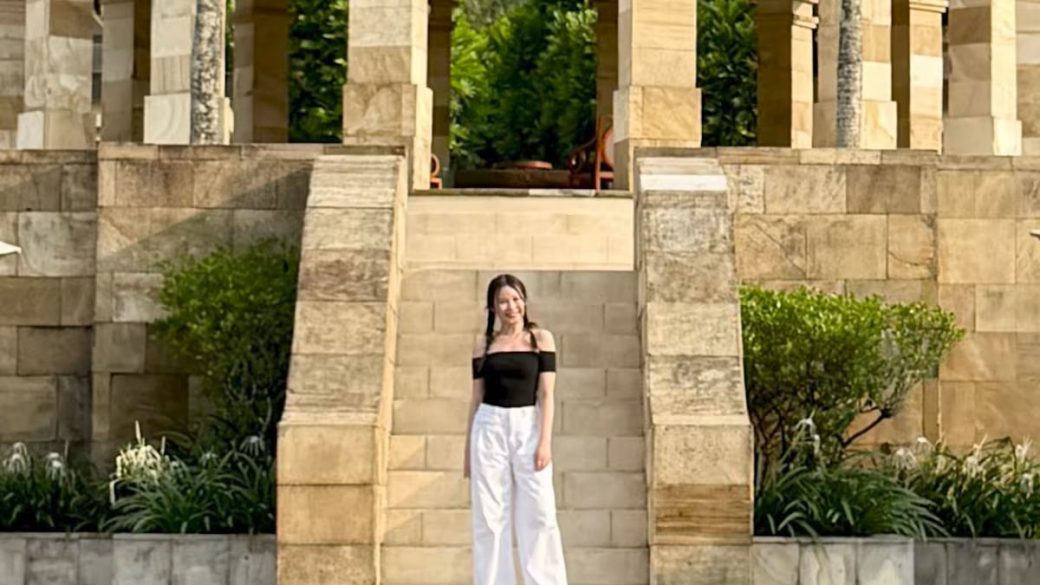
Amanjiwo, a luxury resort in Central Java, sits approximately 10 kilometers from Borobudur, one of the world's largest Buddhist temples and a UNESCO World Heritage site. The property positions itself as more than accommodation, framing the stay as an extension of the cultural and spiritual experience surrounding the 8th-century monument.
The resort operates on a concept that prioritizes alignment with the Borobudur landscape rather than contrast to it. This approach reflects a broader trend among high-end Asian hospitality venues that emphasize cultural integration alongside comfort.
Located in the Magelang Regency, Amanjiwo serves travelers seeking deeper engagement with Central Java's religious and historical significance. The property's positioning targets visitors interested in temple exploration, meditation practices, and local cultural education—demographics that differentiate it from beach-focused or city-center luxury hotels elsewhere in Indonesia.
The resort's emphasis on spiritual retreat reflects market demand in Southeast Asia for accommodations that offer contemplative experiences. Guests typically spend time at Borobudur itself—the temple complex requires dawn visits to avoid crowds and heat—making proximity a practical advantage alongside symbolic relevance.
Amanjiwo joins a select category of high-end properties designed around specific cultural landmarks across Asia. Similar positioning appears in properties near Angkor Wat in Cambodia and various temple-adjacent resorts in Thailand, where the location itself becomes part of the value proposition rather than ancillary to it.
For travel investors and operators, the model indicates continued interest from affluent travelers in experiences that combine comfort with meaningful cultural exposure, particularly in Indonesia where tourism infrastructure has expanded significantly in recent years. The success of such properties often depends less on room occupancy rates than on operational costs and whether visitors perceive the cultural access as authentic rather than commodified.