

Singapore Moves to Tighten Money-Laundering Rules as Wealth Inflows Climb
Singapore is tightening its anti-money laundering rules after record wealth inflows, raising compliance demands on banks, family offices, and advisers.

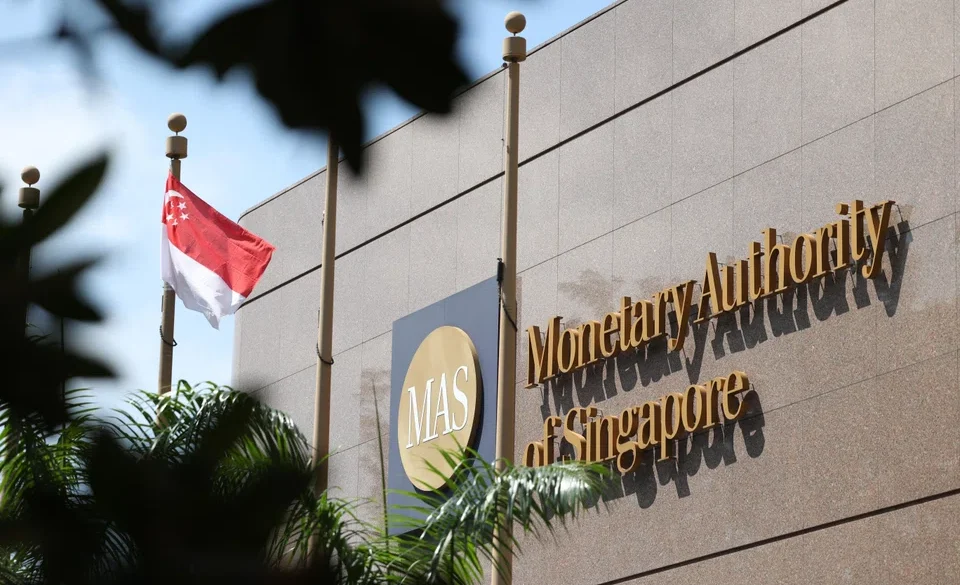
Singapore is moving to tighten its anti-money laundering framework, responding to years of rising wealth inflows that have tested the limits of its supervisory system.
The city-state has spent the past decade positioning itself as a hub for global capital. That success now brings a harder problem: large pools of mobile wealth attract bad actors alongside legitimate investors.
Why the rules are changing
Singapore has absorbed significant inflows from family offices, private banks, and offshore investors seeking a stable jurisdiction. The number of single-family offices operating in the city has grown sharply in recent years.
With that growth comes exposure. Funds moving across borders can be hard to trace when ownership sits behind layered corporate structures. Regulators have signaled that existing checks need to keep pace.
The push follows a high-profile money-laundering case that led to the seizure of property, cash, and luxury assets. That episode exposed gaps in how financial institutions and other intermediaries verified the source of client wealth.
What is being tightened
The reforms focus on closing those gaps across several points in the system. The intent is to make it harder for illicit funds to enter and harder for them to stay hidden once inside.
Key areas under review include:
- Source-of-wealth checks. Banks and wealth managers face pressure to document where client money originates, not just where it currently sits.
- Beneficial ownership. Authorities want clearer visibility into who ultimately controls accounts and corporate vehicles, reducing the cover that complex structures provide.
- Professional gatekeepers. Lawyers, accountants, and corporate service providers are increasingly treated as front-line defenses, with obligations to report suspicious activity.
- Information sharing. Regulators have promoted platforms that let financial institutions share risk signals about customers, helping spot patterns no single bank can see alone.
The combined effect raises the compliance burden on firms that serve high-net-worth clients. Smaller family offices and boutique advisers will feel that cost most acutely.
The balancing act
Singapore faces a familiar tension. It wants to remain attractive to legitimate capital while shutting out dirty money. Push too hard, and clients may shift to rival hubs. Push too softly, and the jurisdiction risks reputational damage.
For now, officials appear to favor tighter controls. The reputational cost of a major laundering scandal outweighs the friction added to onboarding new clients.
The approach also reflects pressure from international standard-setters. Jurisdictions that handle large cross-border flows are expected to meet rising expectations on transparency and enforcement.
What it means for the region
Singapore's choices carry weight across Asia. As one of the region's leading financial centers, its standards influence how capital moves and where wealthy individuals choose to base their structures.
Rival hubs, including Hong Kong, watch these shifts closely. Tighter rules in one center can redirect flows to another, or prompt competitors to match the new baseline to avoid becoming a destination for displaced risk.
For banks and advisers operating across multiple Asian markets, the message is consistent. Compliance teams should expect more documentation, more scrutiny of ownership, and less tolerance for opaque structures.
The practical result is a slower, more deliberate onboarding process. Wealth that once moved quickly will face more questions before it settles.
The longer view
Singapore is betting that credibility is worth more than speed. A reputation for clean money tends to compound over time, attracting institutions that value certainty over loose oversight.
The coming period will test how well the new measures work in practice. Enforcement, not just rule-writing, will determine whether the tighter framework changes behavior or simply adds paperwork.
For a financial center built on trust, that distinction matters.