

Malaysia and Hong Kong Securities Regulators Agree to Streamline Dual IPO Listings
Malaysia and Hong Kong securities regulators have streamlined dual IPO requirements, cutting procedural barriers and establishing deeper regulatory collaboration to attract regional capital market listings.

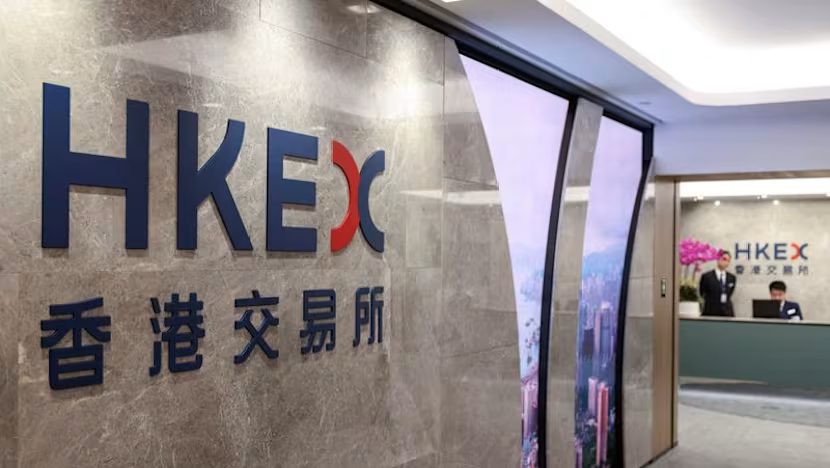
Malaysia's securities regulator and Hong Kong's regulatory authority have reached an agreement to ease the process for companies seeking simultaneous initial public offerings on both exchanges, according to Channel News Asia.
The accord represents a shift in regulatory approach, reducing friction for issuers navigating dual-listing requirements across the two markets. Rather than treating each listing as a completely separate process, the regulators have aligned certain procedural and documentation standards, lowering the total cost and timeline complexity for companies pursuing this capital structure path.
The deal also formalized a broader collaboration framework between the two regulators. Both sides committed to deeper information sharing, harmonized compliance expectations where feasible, and joint working groups to address emerging market infrastructure challenges. This coordination addresses a practical gap: companies previously faced duplicative filings, differing disclosure schedules, and separate rounds of regulator feedback.
For Asian capital markets, the development carries strategic weight. Hong Kong and Malaysia compete for listings across Southeast Asia and Greater China. By reducing friction, both regulators implicitly signal they want to remain attractive entry points for emerging companies. Malaysia's Bursa Malaysia and Hong Kong's main board have faced inflows from Chinese tech and biotech names in recent years; easier dual-listing mechanics could shift that calculus.
The financial mechanics matter. Dual listings historically require separate underwriting teams, separate legal counsel in each jurisdiction, and separately timed roadshows. Even with regulatory coordination, execution costs remain material—investment banking fees, compliance consulting, and investor relations budgets typically scale with complexity. The regulatory agreement chips away at process friction but does not eliminate the underlying economics.
No specific listing pipeline was disclosed. Regulatory easing typically precedes a wave of activity by 6-18 months as transaction teams digest new rules and issuers position themselves. Watch for announcements from mid-cap Malaysian corporates and Hong Kong-domiciled regional players testing this pathway.