
South Korea’s election office faces raid over alleged fake voter turnout data
South Korea's election office has been raided as investigators probe allegations that voter turnout figures were artificially inflated ahead of parliamentary elections, raising concerns about electoral data integrity.

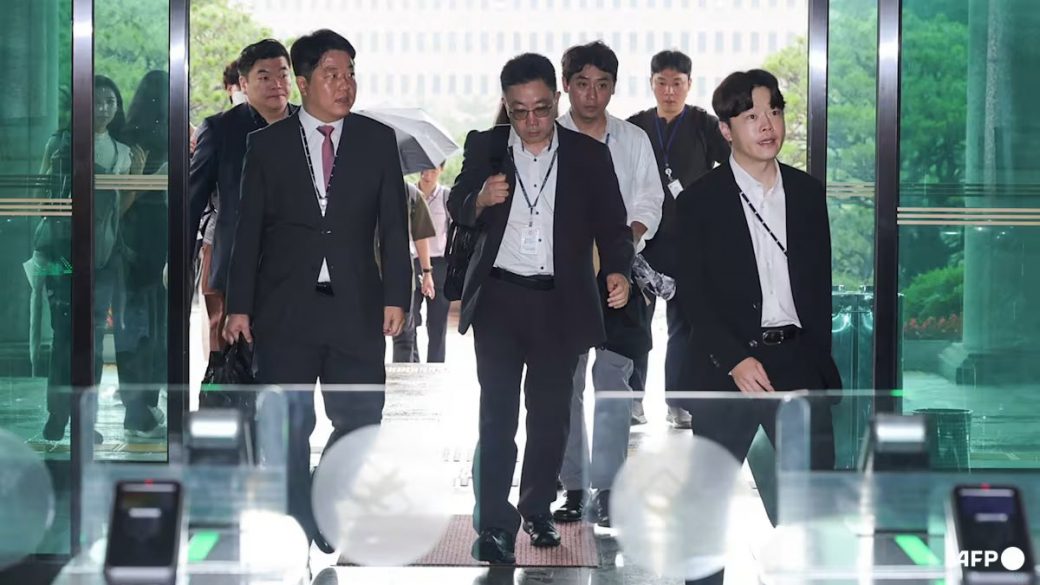
Authorities in South Korea have raided the country's election office as part of an investigation into allegations of fabricated voter turnout numbers, according to investigators familiar with the probe.
The raid centers on claims that turnout figures were artificially inflated ahead of parliamentary elections. The investigation signals potential irregularities in how electoral data was recorded or reported by the office responsible for managing voting processes.
Electoral integrity concerns carry particular weight in South Korea, where parliamentary elections determine the composition of the National Assembly and shape the country's legislative agenda. Any breach in data accuracy undermines public confidence in democratic institutions.
Investigators have not yet publicly disclosed the scope of the alleged inflation or whether the irregularities affected final election results. The probe remains ongoing, with officials examining records and procedures at the election office.
This development adds to scrutiny of South Korea's electoral administration. Previous controversies around ballot management and voting procedures have prompted calls for stricter oversight mechanisms. The current investigation appears focused on whether officials knowingly altered figures or whether system failures led to erroneous reporting.
The election office has not issued a public statement responding to the raid or the allegations. Officials typically cooperate with law enforcement during such investigations, though they often refrain from commenting until formal findings emerge.
South Korea's electoral system relies on multiple verification layers designed to prevent tampering and ensure accuracy. The fact that investigators detected potential irregularities suggests either those safeguards functioned as intended or gaps exist in current oversight procedures.
Political parties have begun weighing in on the investigation, with some calling for transparency about the scope and findings. Legislators are likely to demand comprehensive briefings once the probe concludes.
The timing of the investigation—following recent elections—means any substantive findings could influence public perception of recent electoral outcomes and shape debate around electoral reform in the National Assembly.