Rubio Warns ASEAN Against Iran Control of Strait of Hormuz
US Secretary of State Marco Rubio has warned ASEAN that allowing Iran to control the Strait of Hormuz would set a dangerous precedent for regional stability, citing risks to global commerce and shipping security.

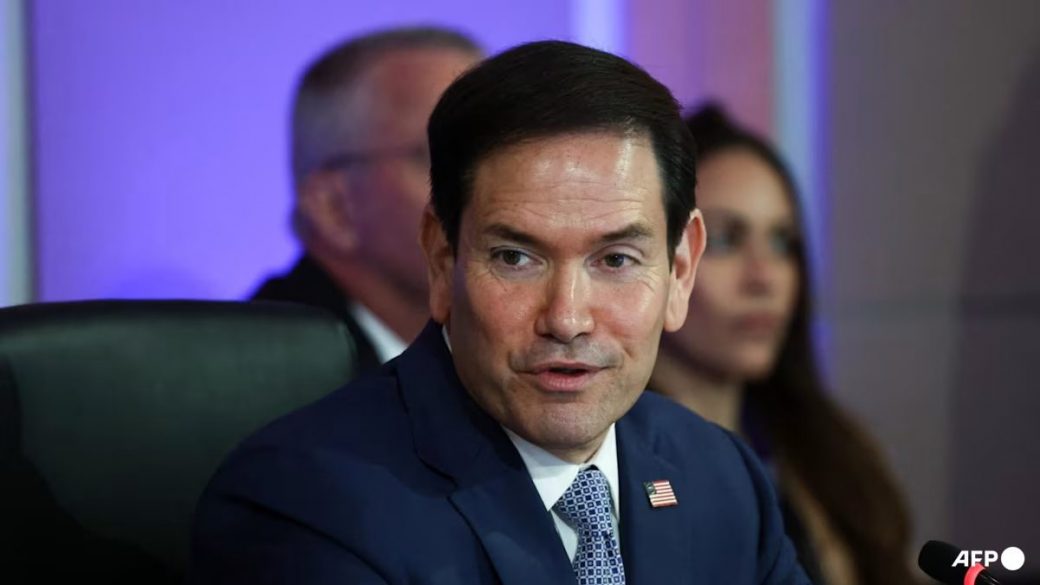
US Secretary of State Marco Rubio has cautioned ASEAN nations that permitting Iran to control the Strait of Hormuz would establish a dangerous precedent for regional stability.
Rubio raised the concern during engagements with ASEAN counterparts, framing Iranian control of the critical waterway as a threat to regional security and international commerce. The Strait of Hormuz remains one of the world's most strategically important chokepoints, with roughly one-third of global seaborne oil passing through its waters annually.
The statement reflects ongoing US efforts to maintain influence in Southeast Asia amid broader geopolitical tensions involving Iran. By flagging the Hormuz issue directly to ASEAN, Washington underscores its view that regional states have a stake in preventing any single actor from gaining exclusive control over major sea lanes.
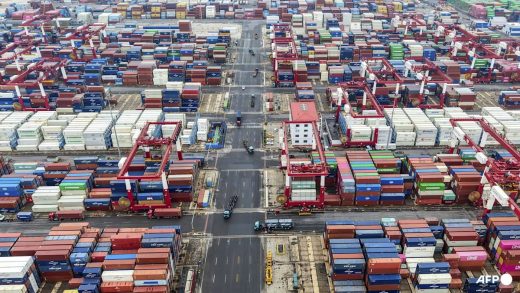
Southeast Asian nations rely heavily on unimpeded passage through global maritime corridors for trade. Disruptions to shipping lanes carry direct economic consequences for the region, making Rubio's warning relevant to ASEAN's broader prosperity and supply chain security.
The timing of Rubio's comments aligns with increased US diplomatic engagement in Asia, where officials have sought to reinforce partnerships on issues ranging from trade to security. ASEAN's official position on Iran has traditionally emphasised non-alignment and constructive dialogue rather than explicit political backing for any major power.
Rubio's framing of the issue as a precedent-setting matter suggests the US views this less as an immediate crisis than as a test case for how regional actors respond to power consolidation in strategic locations. The distinction matters for ASEAN countries balancing relationships with multiple global powers while protecting their own economic interests.