
India’s ‘Cockroach’ Movement Demands Education Minister’s Resignation
India's 'cockroach' movement has vowed to continue protests until the education minister resigns, demonstrating sustained youth mobilization despite police confrontations.

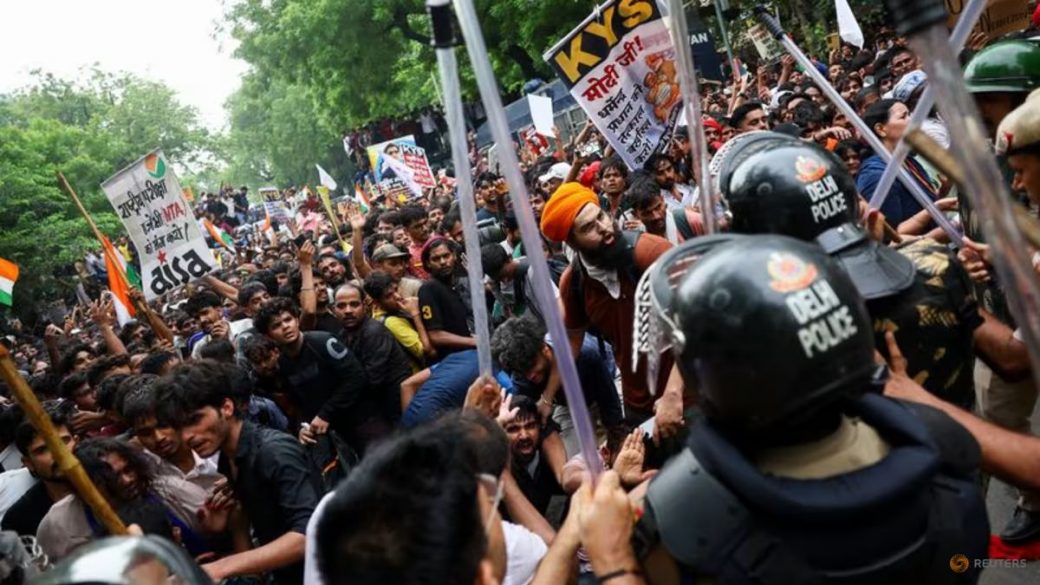
A student-led protest movement in India, branded as the 'cockroach' movement, has escalated its demands, vowing to sustain demonstrations until the country's education minister steps down.
The movement, which takes its name from a reference used during protests, has mobilized youth across the country to challenge government education policies. Demonstrations have drawn police response, with some youth reporting injuries during confrontations with law enforcement.
The 'cockroach' movement distinguishes itself through persistent street action rather than one-off rallies. Protesters have signaled intent to maintain pressure on the government through continuous demonstrations, treating the campaign as a long-term engagement rather than a symbolic gesture.
The specific policy grievances driving the movement center on education sector governance and ministerial decisions. While the movement's full list of demands extends beyond the minister's resignation, the immediate political objective remains the official's removal from office.
Youth participation reflects broader frustration with education administration in India. The movement's ability to sustain momentum—despite police presence—suggests organizational capacity and committed participation among demonstrators.
Such sustained protest movements in India typically employ tactics that include regular street mobilization, coordination across multiple cities, and strategic media engagement. The 'cockroach' branding reflects protest culture's use of symbolic language to frame government behavior and public grievances.
Police response to demonstrations has included physical confrontations, creating friction between state authorities and demonstrators. The continuation of protests despite these incidents indicates protesters view the risk as justified by the scale of their demands.
Education policy remains a contentious issue across India, with debates spanning curriculum design, examination systems, and ministerial oversight. The emergence of this youth-led movement underscores tensions within the sector and generational perspectives on government education administration.
The movement's success will likely depend on sustained participation, public sympathy, and potential fractures within government or ruling coalitions regarding the education minister's position. Historical precedent in India shows that such movements can achieve political outcomes when they maintain organized presence and secure broader social support.