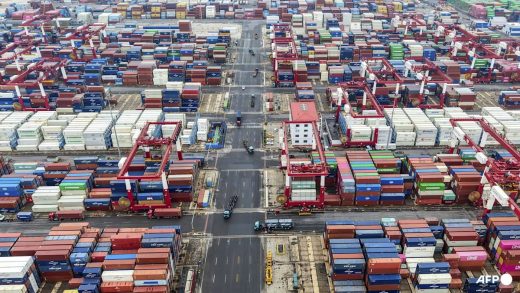

Trump imposes 50% tariff on Canadian goods, escalating trade tensions
Trump has ordered a 50% tariff on many Canadian goods, extending trade pressure on Canada. The move affects multiple product categories and signals continued reliance on tariffs as a negotiating tool in North American trade relations.


President Trump has ordered a 50% tariff on many Canadian goods, according to Channel News Asia. The move extends trade pressure on Canada and signals continued use of tariffs as a negotiating tool with the country's largest trading partner.
The tariff order affects multiple product categories, though the source material does not specify which sectors face the steepest increases or the implementation timeline. This follows earlier rounds of trade escalation between the US and Canada.
Canadian exporters will face immediate cost pressures. A 50% tariff raises the effective price of Canadian goods entering US markets substantially, potentially reducing demand or forcing Canadian producers to absorb margin compression to remain competitive.
The broader trade picture involves competing priorities. Canada has sought exemptions or negotiations on tariff rates, while the Trump administration has used tariff threats to press for changes in trade terms, digital taxation policies, and cross-border investment rules.
Analysts have pointed to tariffs as economically blunt instruments. While designed to protect US industries or extract concessions, broad tariff increases typically increase costs for US consumers and businesses that import intermediate goods. The automotive sector, which relies heavily on cross-border supply chains with Canada, faces particular exposure.
The exact scope of the 50% rate—whether it applies to all Canadian imports or specific product lines—and any transition periods remain unclear from available reporting. Tariff implementation typically includes grace periods or phased timelines, though recent trade policy has moved toward rapid enforcement.
Both governments will likely engage in negotiations over the coming weeks. Past rounds of US-Canada trade friction have resulted in exemptions, reduced rates, or retaliatory measures from Ottawa.