

FDA Retracts Cyclospora Test as Lettuce Outbreak Source Remains Elusive
The FDA retracted a positive cyclospora test on Taylor Farms lettuce, yet maintains its recommendation against consuming the product. Thousands of cases remain under investigation across multiple states.

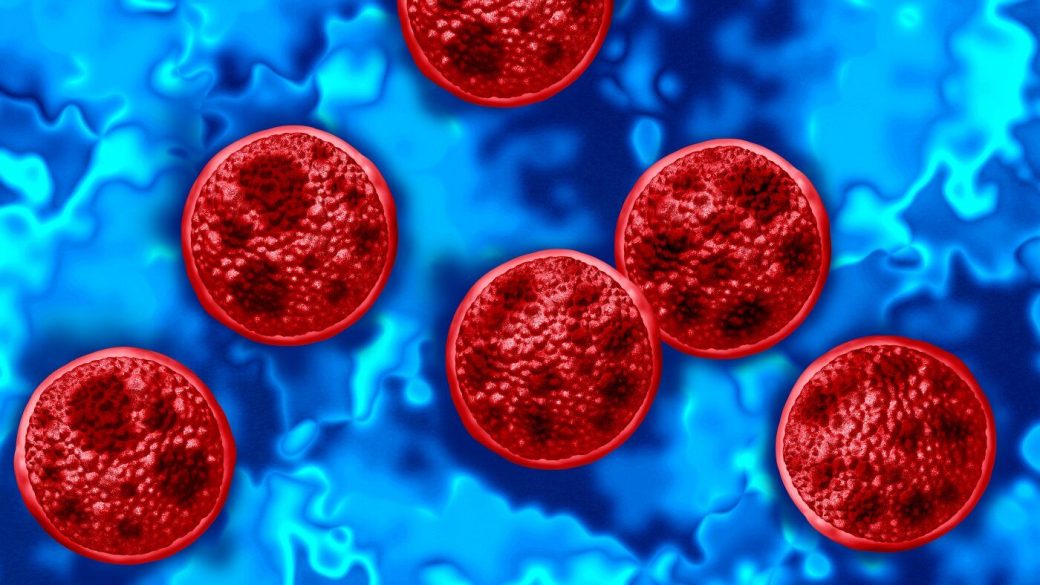
The Food and Drug Administration retracted a positive cyclospora test on lettuce supplied by Taylor Farms, complicating an already murky food safety investigation. The agency had initially identified the parasite on a sample from the company, which supplied lettuce to Taco Bell locations where sick customers reported eating before illness onset. The false positive has not altered the FDA's core recommendation: consumers should avoid iceberg lettuce grown or processed by Taylor Farms in Mexico and sold at Taco Bell and select Walmart stores.
The retraction underscores a fundamental challenge in tracing parasitic contamination. "Parasites like cyclospora are hard to genetically test for," said Donald Schaffner, a microbiologist at Rutgers University. "When you're trying to find very small amounts across what might be a huge amount of crop, it's easy for parasites to lurk in untested areas."
The FDA's lettuce advisory rests on epidemiological interviews with infected individuals, many of whom reported consuming the suspect product or dining at Taco Bell. Testing at the U.S. southern border has not yet identified cyclospora-positive samples. Taylor Farms has already initiated a voluntary recall; Taco Bell confirmed it no longer sources from Taylor Farms.
Cyclospora cases are tracking toward record numbers this year, with thousands reported since May, concentrated in Michigan, Ohio, and three other states. Michigan remains the outbreak epicenter. However, Schaffner cautioned that summer cyclospora clusters are common and often unrelated. Exposure pathways extend beyond contaminated produce: cyclospora transmission can occur through drinking water or swimming in contaminated water sources. The possibility that infected water was used during lettuce processing has not been ruled out.
The identification gap reflects the inherent difficulty of pinpointing parasitic food contamination sources. While rapid source identification typically constrains outbreaks and prevents future illness, the current evidence remains circumstantial rather than definitive.