
Japan’s explicit mention of Pakistan in terrorism statement signals diplomatic shift, alarming Islamabad
Pakistan expressed alarm over a Japan-India joint statement explicitly linking it to cross-border terrorism, with analysts interpreting the language as evidence Japan is shifting its South Asia policy closer to India.

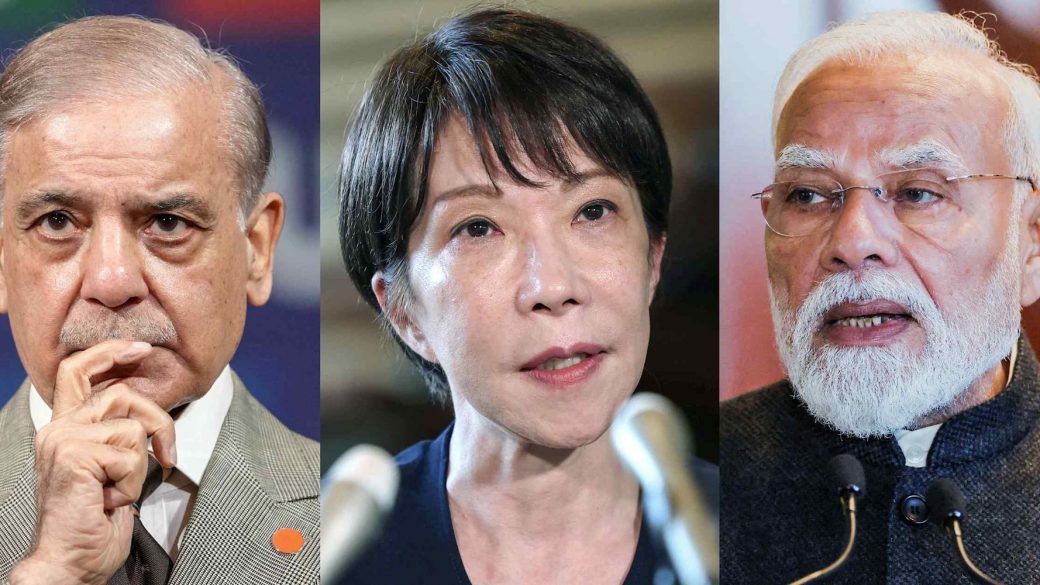
Pakistani officials and experts expressed concern over a Japan-India joint statement issued in July 2026, when Japanese Prime Minister Sanae Takaichi visited New Delhi and met Indian Prime Minister Narendra Modi. The diplomatic document explicitly linked Pakistan to cross-border terrorism, marking an unusual move in Tokyo's typically cautious diplomatic language.
The statement prompted immediate reactions from Islamabad. Pakistani analysts interpreted the language as evidence of a broader shift in Japan's South Asia strategy, suggesting Tokyo is tilting closer to India's security posture and concerns.
A Tokyo official denied the claim that Japan is reshaping its South Asia policy. The denial came amid broader context of Japan-India defense cooperation, which expanded during the same period. The two countries unveiled their first joint defense codevelopment pact and deepened ties in artificial intelligence and energy sectors, signaling deepening bilateral alignment on technology and security matters.
For Pakistan, the statement represents a diplomatic challenge. Islamabad views the public linking of its territory to terrorism in an official bilateral document as potentially damaging to its international standing, particularly as it seeks broader cooperation with major powers. The timing coincided with Pakistan's own regional diplomatic efforts, including mediation initiatives in other parts of Asia.
Analysts observe that Japan traditionally maintains a measured approach to South Asian affairs, avoiding explicit statements that could alienate any single country. The explicit reference to Pakistan in the context of cross-border terrorism departure from this pattern, even if Japan characterizes it as continuation of existing policy.
The incident reflects broader geopolitical dynamics in Asia, where traditional non-aligned or balanced relationships are increasingly tested by security partnerships and strategic alignments. Pakistan's concerns about how major economies frame its role in regional security issues underscore the stakes of diplomatic positioning in an interconnected region.