
US launches strikes on Iranian military infrastructure
The United States conducted military strikes targeting Iranian airport, bridge, and railway infrastructure amid escalating regional tensions. The strikes mark a significant escalation in direct US-Iran military confrontation.

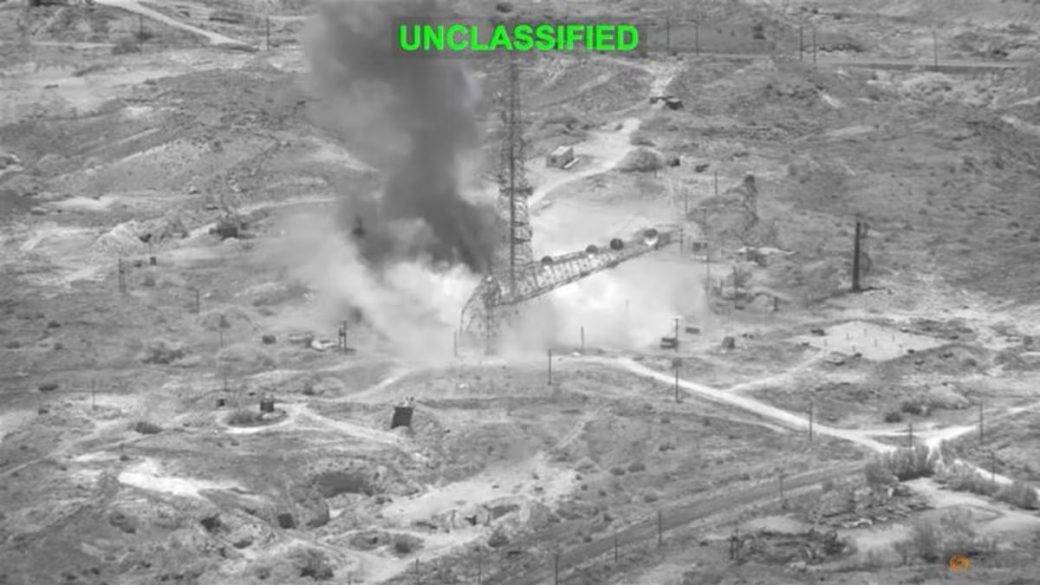
The United States conducted military strikes against Iranian infrastructure, hitting an airport, multiple bridges, and a railway station, according to reporting on the incident.
The strikes represent a direct escalation in US-Iran military confrontation, marking a shift from previous limited engagement patterns. Airports serve as critical civilian and military hubs, while rail and bridge networks form backbone logistics for both commercial and defense operations across Iran.
The timing of the strikes coincides with heightened regional tensions that have accumulated over months of proxy conflicts and direct military posturing. Both countries have engaged in tit-for-tat military operations, though direct strikes of this scale represent a more explicit phase of engagement.
Iranian officials have not yet released damage assessments or casualty figures. The US military has not provided detailed targeting justifications or confirmed specific objectives for each strike location.
The broader context includes months of escalating rhetoric, maritime incidents in the Persian Gulf, and drone attacks attributed to Iranian-backed groups against US interests in the region. Previous US responses have typically focused on specific military facilities or weapons caches rather than broader infrastructure targeting.
Regional analysts note that strikes against transportation infrastructure carry different implications than targeting purely military assets. Bridge and railway damage could disrupt civilian commerce and supply chains beyond immediate military calculations, though the operational significance remains unclear without confirmed targeting details.
No statements from neighboring states or international organizations have emerged condemning or supporting the strikes. Gulf Cooperation Council members, whose airspace and waters factor into regional military calculus, have not issued public responses.
The incident underscores the absence of direct diplomatic channels for de-escalation between Washington and Tehran. Previous conflicts in the region have involved negotiated pauses or third-party mediation, options that appear unavailable in the current environment.