

US Clears Nearly $2 Billion in Arms Sales to Saudi Arabia
The US State Department has approved arms sales to Saudi Arabia worth close to US$2 billion, extending one of Washington's largest Gulf defense relationships.

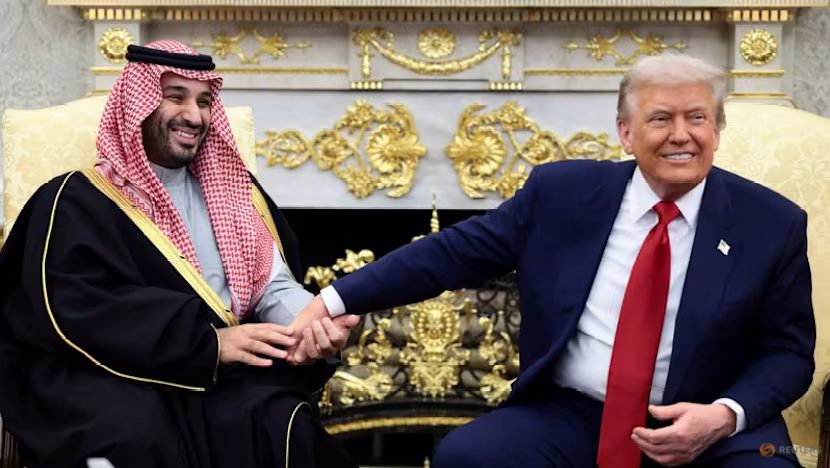
The US government has approved arms sales to Saudi Arabia valued at close to US$2 billion, according to Channel NewsAsia. The clearance moves one of Washington's largest defense export relationships forward, with hardware destined for Riyadh.
The available reporting confirms the approval and the headline dollar figure but does not itemise the specific systems, delivery timeline, or the contracting defense firms involved. Those details typically appear in a formal notification to Congress, which sets the value, quantities, and prime contractors for a given package.
For context, US arms transfers of this scale usually clear a defined regulatory path: State Department sign-off followed by a congressional review window, during which lawmakers can move to block a sale. Approval at this stage signals the executive branch has cleared the deal, not that deliveries have begun or that funds have moved.
The money flow
A sale valued near $2 billion places this package in the mid-tier range of US-Saudi defense transactions, which have periodically reached far higher single-deal figures. The value quoted at approval represents the ceiling of a potential contract rather than a guaranteed cash figure, since final quantities and options can shift before signature.
Revenue from approved foreign military sales flows to US prime contractors once contracts are executed and hardware is delivered against agreed milestones. Without the itemised notification, the recipients of that revenue cannot be confirmed from the current source.
What is not yet confirmed
Several items remain unverified from the reporting at hand. The specific weapons categories, the identity of the contractors, the delivery schedule, and whether the sale falls under the Foreign Military Sales program or a direct commercial sale are all absent from the available text. Each of these determines how the value converts into booked revenue and over what period.
Readers tracking the defense sector should treat the near-$2 billion figure as an approval ceiling pending the congressional notification, which carries the binding detail.
Asia-Pacific relevance
For capital watching the defense supply chain from Asia-Pacific, US-Gulf arms flows matter as a demand signal for the largest listed US defense contractors, several of which have Asian institutional shareholders and regional operations. Sustained Gulf procurement supports order backlogs that feed multi-year revenue visibility, a factor analysts weigh when comparing defense names against broader industrials. The direct exposure for regional markets, however, is indirect and runs through the equity and supply-chain layer rather than through the transaction itself.