

US Health Agency Drops Plan to Cut Federal Funding Over Trans Youth Care
US HHS will not finalize a rule that would have cut Medicare and Medicaid funding from hospitals providing gender-affirming care to minors, per a document reviewed by NPR.

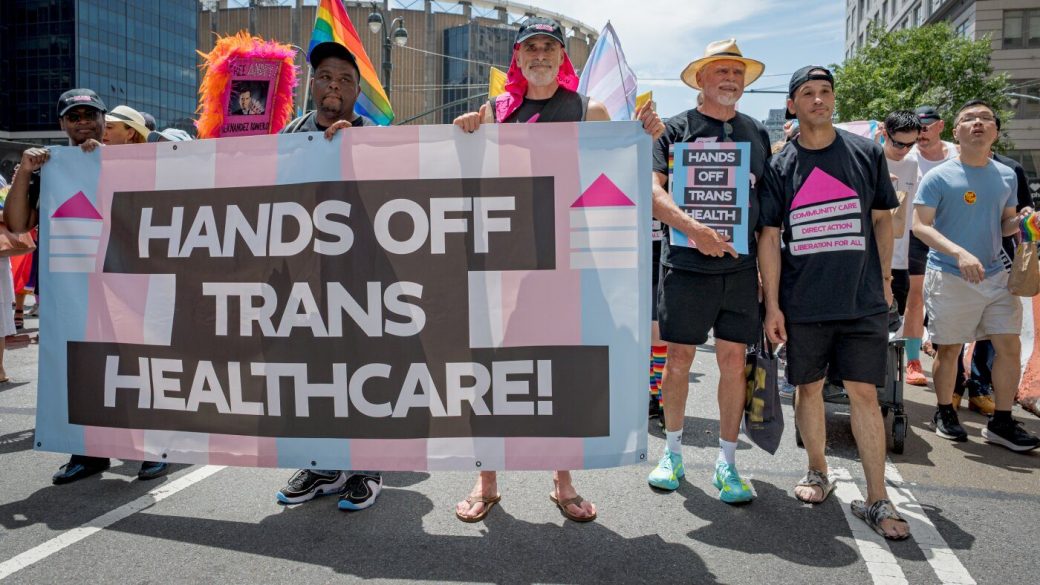
The US Department of Health and Human Services will not finalize a proposed rule that would have withheld Medicare and Medicaid funding from any hospital providing gender-affirming care to minors, according to an official document obtained by NPR.
The rule, first floated in December, would have functioned as a de facto national ban. Losing access to Medicare and Medicaid reimbursement, which underpins a large share of most hospital budgets, would have made continuing such programs financially unworkable for many providers.
The financial mechanism
The threatened funding cut carried weight because of how central federal reimbursement is to hospital revenue. Medicare and Medicaid together represent a dominant payer base for many US health systems, so a conditional withdrawal of that funding operates less as a regulatory nudge and more as an existential budget question.
NPR reported that the mere prospect of the rule already reshaped provider behavior. Dozens of hospitals in states that permit gender-affirming care shut down their programs, with several citing the proposed rule directly. That is on top of the 27 states that have banned the care outright. In other words, the policy achieved much of its intended effect before it was ever finalized.
A partial retreat, not a withdrawal
The administration is not formally rescinding the proposal. NPR reported that the rule still appears on a federal regulation website with a listed final action date of December 2028, days before the end of President Trump's term. That leaves the measure technically alive even as officials decline to advance it.
The Centers for Medicare and Medicaid Services declined to explain the shift. The agency said it "does not comment on future rulemaking or speculate on potential actions," while reiterating that the administration opposes surgical procedures for transgender minors, a category that is rare and not the specific focus of the rule.
The original proposal drew organized opposition. NPR reported that the American Medical Association and the Children's Hospital Association both called for its withdrawal, arguing it violated multiple laws and set a dangerous precedent.
What it signals
Sam Bagenstos, who served as general counsel of HHS during the Biden administration and now teaches at Michigan Law, framed the move as meaningful but limited. "It is, I think, a victory for people who are defending the rights and interests of trans people," he told NPR, adding that he did not read it as a broader change in direction.
That reading is consistent with other administration actions NPR described. The Department of Justice recently issued criminal subpoenas to hospitals seeking full medical files for transgender youth patients and employment records for the clinicians treating them. Some of those subpoenas have been challenged and partially blocked in court. The White House also characterized a recent Supreme Court decision on transgender athletes as reinforcing its agenda, using sharp language that signaled no change in posture.
The practical outcome may be narrow. With the funding threat set aside, some hospital-based gender clinics for young patients could reopen or operate with more confidence that they can continue. Whether they do will depend on how durable the reversal proves, given that the rule remains on the books through 2028.