

The CPU Comeback: How AI’s Bottlenecks Are Reviving the Overlooked Chip
Chipmakers are steering attention back to CPUs to ease GPU bottlenecks and handle a growing share of AI inference workloads, Nikkei Asia reports.

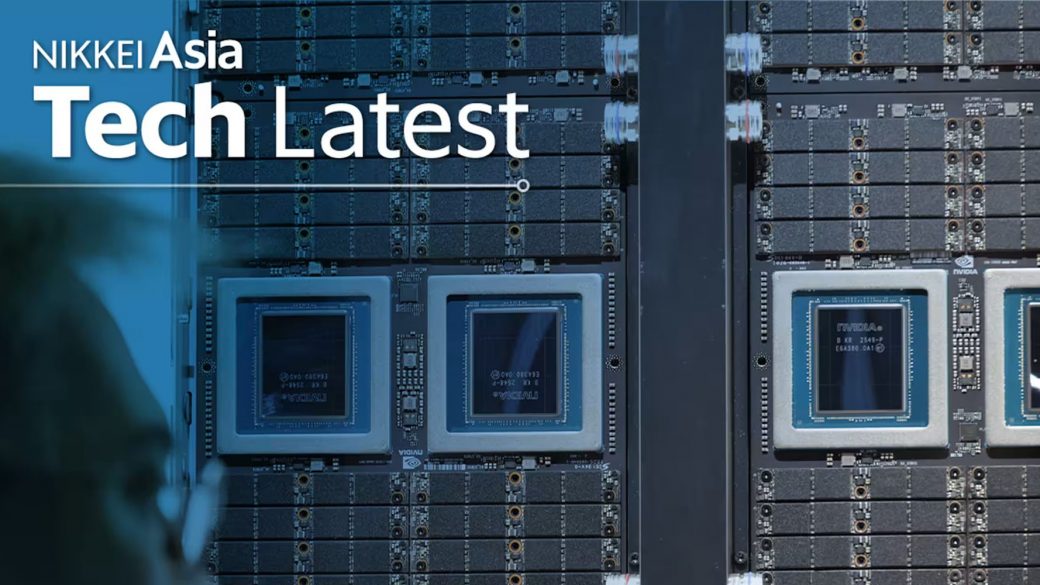
The AI hardware conversation has been dominated by GPUs for the better part of three years. That is starting to shift. Chipmakers are increasingly steering attention back toward CPUs (central processing units) as a way to relieve GPU bottlenecks and handle a growing share of AI workloads, according to reporting by Nikkei Asia.
The logic is practical rather than theoretical. GPUs remain the preferred engine for training large models, but supply has been constrained and prices elevated. That has pushed system designers to look harder at where CPUs can pick up work, particularly in areas GPUs handle inefficiently.
Why the CPU is back in the frame
During the training-heavy phase of the current AI cycle, GPUs earned their status as the default accelerator. Their parallel architecture suits the matrix math behind neural networks, and demand for them turned Nvidia into one of the most valuable companies in the world.
But a data center is not made of GPUs alone. CPUs coordinate workloads, manage data movement, and run the general-purpose logic that surrounds the accelerators. As deployments scale, the efficiency of that supporting layer matters more, not less. When GPUs are scarce and expensive, offloading suitable tasks to CPUs becomes a cost question as much as an engineering one.
Nikkei Asia frames the shift as a resurgence, with chipmakers racing to ease GPU bottlenecks and support the next wave of AI systems. The framing is notable because it reflects a maturing market: the industry is moving past the assumption that every AI problem is a GPU problem.
Inference changes the math
The distinction between training and inference is central here. Training a model is a one-time, compute-intensive event. Inference, running the trained model to serve users, happens continuously and at massive volume. Over a model's life, inference can dominate total compute spend.
Inference workloads are also more varied. Some are latency-sensitive and small enough that a CPU handles them competitively, without tying up scarce GPU capacity. For enterprises weighing infrastructure budgets, that flexibility carries real weight, especially against the backdrop of what Nikkei Asia has described elsewhere as AI-driven "chipflation" pressuring electronics costs.
What it means for the chip hierarchy
A CPU resurgence does not displace GPUs. The more accurate read is a rebalancing, where CPUs reclaim a defined role in AI systems rather than sitting in the background. That has competitive implications for the vendors positioned across both categories.
The development also fits a broader pattern in semiconductors, where the industry is diversifying the silicon it throws at AI. Nikkei Asia has reported on companies including Google, Tesla, and AMD turning to Samsung for AI chips, a sign that buyers want more suppliers and more architectural options. A renewed CPU role is consistent with that appetite for alternatives to a GPU-only approach.
The Asia dimension
Much of this plays out in Asia's manufacturing base. Taiwan remains the center of advanced chip production, and Nikkei Asia's coverage of the CPU trend originates from its Taipei reporting. Any shift in demand mix, more CPUs relative to GPUs, or new accelerator designs, reverberates through the region's foundries and packaging firms.
Singapore is also expanding its footprint: Taiwan's UMC has begun photonic chip production there, one more indicator that the region is broadening beyond a single dominant chip category. For the APAC supply chain, a diversified AI hardware stack means more product lines to build and more customers to serve.
The takeaway is measured. The CPU is not reclaiming the spotlight from the GPU so much as reasserting that AI systems are built from more than one kind of chip, and that the economics of inference reward that mix.