

UMC Begins Photonic Chip Production in Singapore to Chase AI Connectivity Demand
UMC has started producing advanced photonics chips in Singapore, targeting AI connectivity demand and positioning optical-plus-packaging tech as a growth driver.

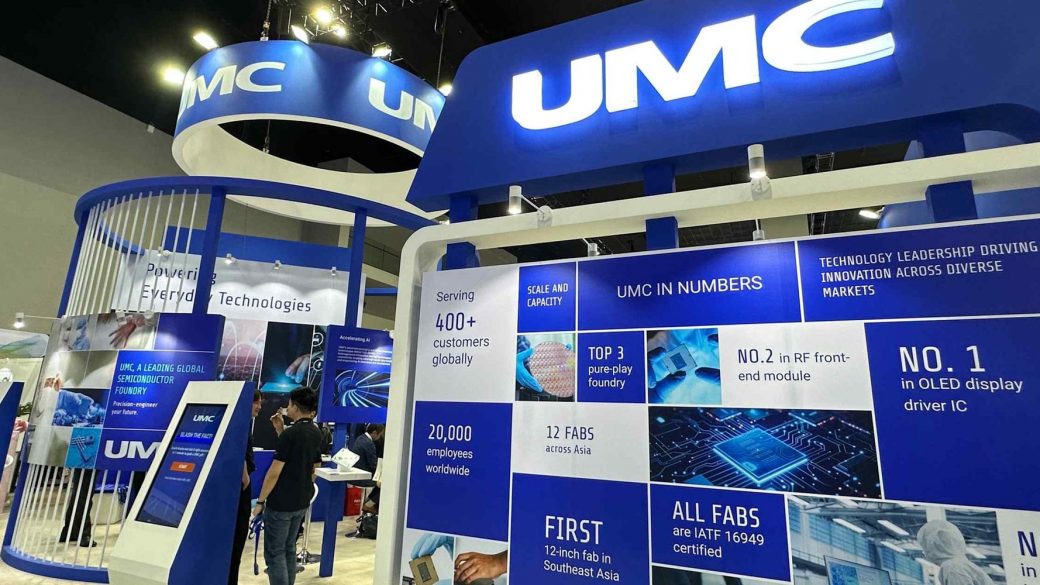
United Microelectronics Corp., Taiwan's second-largest contract chipmaker, has begun producing advanced photonics chips at its Singapore operations, a senior company executive told Nikkei Asia. The move targets rising demand for high-speed connectivity in artificial intelligence systems.
Photonic chips transmit data using light rather than electrical signals, a shift that can boost bandwidth and cut power consumption at the interconnect level. As AI workloads push data between processors and memory at ever-higher rates, chipmakers are treating optical connectivity as a way to relieve bottlenecks that conventional copper links struggle to handle.
Why Singapore
Singapore has become a growing node in the semiconductor supply chain as manufacturers diversify capacity beyond Taiwan and mainland China. For UMC, situating photonics output there places the work outside its home base while keeping it within a jurisdiction that has invested heavily in chip infrastructure and talent.
UMC operates primarily as a foundry, manufacturing chips designed by other companies. It sits behind TSMC in Taiwan's contract manufacturing hierarchy and has historically focused on mature and specialty process nodes rather than the leading-edge logic that dominates AI headlines. Photonics gives the company a route into AI-adjacent demand without competing head-on for the most advanced transistor geometries.
The packaging angle
UMC frames the photonics push as tied to chip packaging, the stage where individual dies are assembled into finished components. Combining optical technology with packaging is where the company sees a next-generation growth driver, according to the executive cited by Nikkei Asia.
That positioning matters. Advanced packaging has emerged as one of the more contested areas of the industry, with foundries and outsourced assembly firms racing to integrate more functions into a single package. Optical interconnects fit into that trend by moving light-based signaling closer to the chip itself.
What to watch
The announcement is light on specifics that would let outsiders gauge scale. There are no disclosed volumes, capacity figures, or named customers, and photonics remains a smaller slice of the overall chip market than mainstream logic or memory. Whether UMC's Singapore effort translates into meaningful revenue will depend on adoption by AI hardware makers and how quickly optical interconnects move from niche deployments into standard system design.
For now, the step signals where UMC intends to compete: not at the bleeding edge of process nodes, but at the intersection of optics and packaging, where a foundry with specialty expertise can carve out relevance in the AI buildout.