
Indonesia Landfill Fire Revives Push to Phase Out Open Dumping
A blaze at the Jatiwaringin landfill in Tangerang has renewed calls to end open dumping in Indonesia, spotlighting a long-standing waste-management gap.

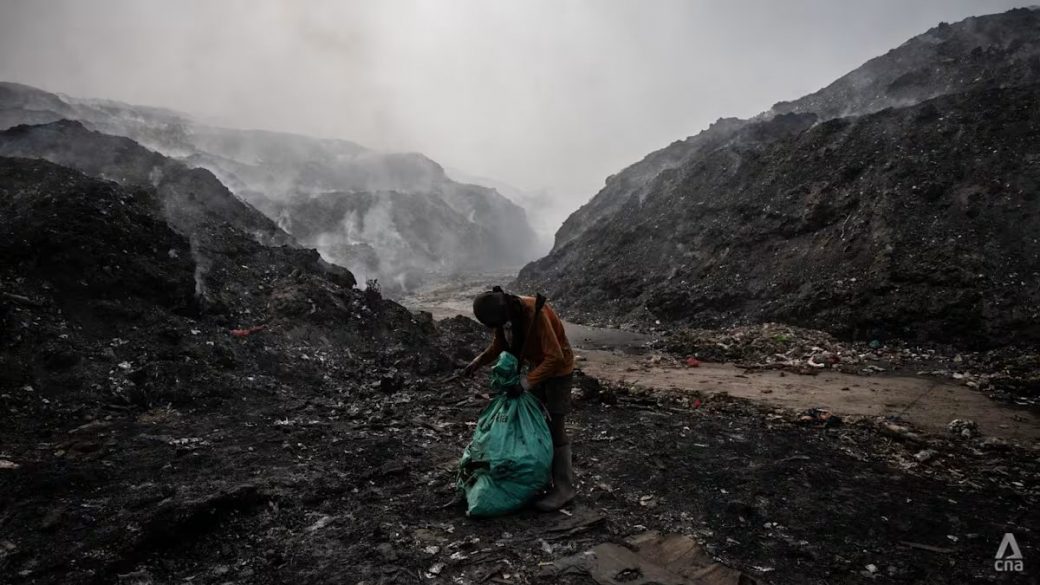
A large fire at the Jatiwaringin landfill in Tangerang, Indonesia, has reignited calls from environmental advocates and residents to end open dumping, according to Channel NewsAsia.
The blaze at the site is the latest in a recurring pattern of fires at Indonesian landfills, where waste is piled in the open without the containment, capping, or gas-management systems used in engineered sanitary landfills. Open dumping remains common across much of the country despite regulations meant to phase it out.
Why open dumps catch fire
Open dumps accumulate methane as organic waste decomposes without oxygen. When that gas builds up near the surface and encounters heat or a spark, fires can ignite and spread through the waste mass. These fires are difficult to extinguish because they can smolder underground for days or weeks, releasing smoke and pollutants into surrounding communities.
The smoke from landfill fires carries particulate matter and other contaminants that pose respiratory risks to nearby residents. That health dimension is a recurring theme in the objections raised after each incident.
A long-standing policy gap
Indonesia has faced criticism over its reliance on open dumping for years. The practice persists partly because building and operating sanitary landfills requires capital, land, and ongoing management that many local governments have struggled to fund.
The Jatiwaringin fire adds to the argument, made repeatedly by environmental groups, that the status quo is unsustainable. Each fire renews attention on the gap between waste-management rules on paper and the infrastructure available on the ground.
What comes next
Renewed calls after a single fire have not, on their own, historically translated into rapid changes in how Indonesian municipalities handle waste. The core constraints, financing and enforcement, remain unresolved. Whether the Jatiwaringin incident produces durable policy shifts will depend on decisions at both the national and local level rather than on public pressure alone.
For now, the fire underscores a familiar tension in fast-urbanizing parts of Southeast Asia: waste volumes are rising faster than the systems built to contain them.