
NHTSA Tells AV Developers to Fix Emergency-Vehicle Failures by Month’s End
NHTSA has given AV developers until month's end to fix emergency-scene failures, as the Uber-Waymo Phoenix deal ends and Rivian raises $1.32 billion.

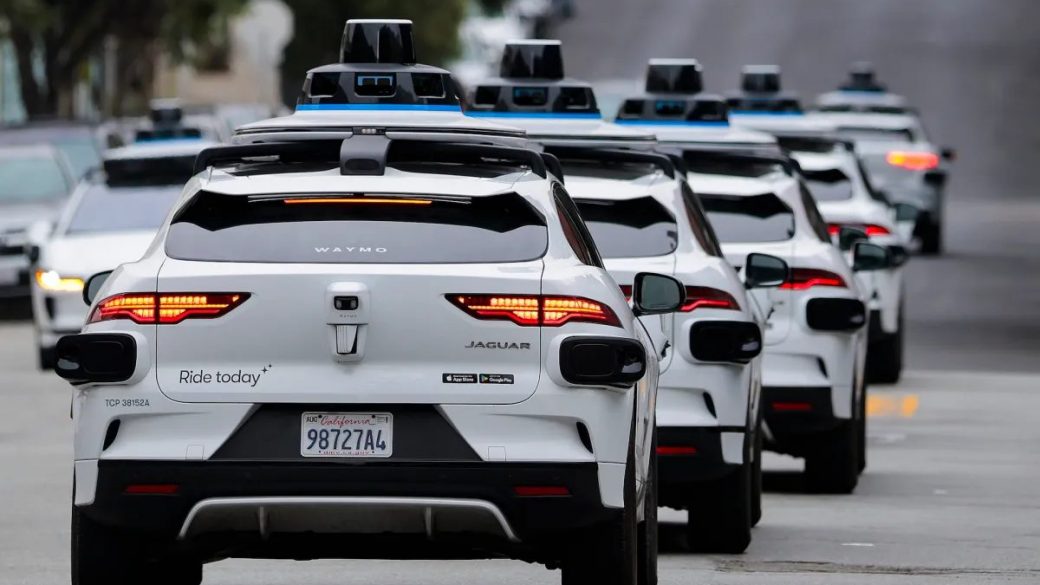
The US National Highway Traffic Safety Administration has given autonomous vehicle developers until the end of July to submit fixes for a problem regulators no longer treat as an outlier: robotaxis that fail to detect and respond to emergency scenes.
NHTSA administrator Jonathan Morrison issued the directive to every AV developer listed in the Department of Transportation's Standing General Order, according to TechCrunch. The letter names no single company, but its framing points to a pattern regulators say cannot be dismissed as rare.
"Emergency scenes are not rare or extreme 'edge cases,'" Morrison wrote, adding that a vehicle's inability to respond appropriately "represents a functional insufficiency."
The pressure carries weight, but the consequences remain unclear. NHTSA has asked companies to present "solutions" by the end of the month. Whether that produces enforcement or merely paperwork is not yet knowable.
Why the timing matters
Waymo operates the largest robotaxi fleet in the US, running vehicles in Los Angeles, Phoenix, and San Francisco. A previous TechCrunch investigation documented repeated encounters between Waymo vehicles and first responders, which is why the directive reads, to many observers, as aimed at the market leader despite its neutral language.
The scrutiny intensified this month in San Francisco. Supervisor Bilal Mahmood said he intends to file a letter of inquiry into how autonomous vehicles affected public transit and emergency response during gridlock following a July 4 fireworks show. Local outlets reported that several Waymo robotaxis had to be towed after their batteries drained in the jam.
The regulatory turn coincides with a shift in the industry's commercial map. The Uber-Waymo robotaxi partnership in Phoenix has ended, though the two companies still run service partnerships in Atlanta and Austin. TechCrunch frames the open question as one of timing rather than outcome: when the remaining agreements dissolve, and how two increasingly competitive companies behave afterward. Policy fights over market access are one likely battleground.
A separate federal document points in the opposite direction. The updated 2026 Regulatory Plan and Unified Agenda lists proposed changes to Federal Motor Vehicle Safety Standards that could ease requirements for vehicles built without steering wheels or pedals, potentially benefiting developers such as Tesla and Zoox.
Rivian raises $1.32 billion
On the capital side, Rivian sold 86.25 million Class A common shares at $15.50 each, a total that includes 11.25 million additional shares underwriters opted to buy. The EV maker said it expects to raise $1.32 billion in new capital.
The raise follows an operational stretch that Rivian described as ahead of its own expectations. The company began delivering its R2 SUV last month and lifted its 2026 sales forecast to between 65,000 and 70,000 vehicles, citing quarter-over-quarter growth in its EDV and R1 lines alongside the start of R2 deliveries. Rivian did not explain the reason for the capital raise. The company is not yet profitable, and scaling R2 production is expensive.
Other deals worth noting
- Bidbus, a Los Angeles marketplace where dealers bid on cars, raised $15 million in a Series A led by Ibex Investors, with participation from Mucker Capital, FJ Labs, Motley Fool Ventures, Data Point Capital, Walter Ventures, and Car Dealership Guy's Yossi Levi.
- Lyft plans to acquire Serveo's bike-share business in Spain. Terms were not disclosed; the deal is expected to close this year.
- TaiSan, a UK battery startup, raised £4.65 million in a seed round co-led by Eos Advisory and the Midlands Engine Investment Fund II, with a roster of additional investors including InnoEnergy and matched funding from Innovate UK.
A data breach at scale
AssuranceAmerica, a US insurance provider, confirmed a breach exposing the personal information and driver's license numbers of 6.9 million people. TechCrunch reports it is the largest known spill of American driver's license data this year.
Elsewhere, Beta Technologies completed eVTOL operational flights covering roughly 275 nautical miles across Virginia and Maryland under a new DOT and FAA pilot program, and Ireland-based drone delivery startup Manna Aero said it will build a factory and operations center in Tulsa, Oklahoma, that it expects to employ 1,000 within a few years.