

Johor State Polls: Big-Name Campaigners Court Young Undecideds, but Analysts Question the Payoff
Malaysian coalitions are deploying national leaders to Johor's state polls to win over young undecided voters, but observers question whether the tactic backfires.

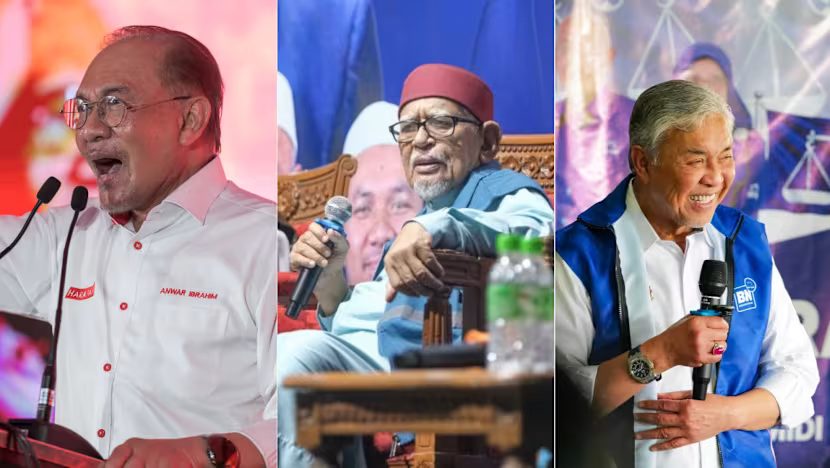
Malaysia's Johor state election has drawn national political leaders into local constituencies, as competing coalitions bet that high-profile campaigners can tip the balance among undecided younger voters, according to Channel NewsAsia (CNA).
The strategy is straightforward: pull in recognizable figures to generate turnout and momentum in seats where the margin may be thin. The open question, and the one raising doubts among observers cited by CNA, is whether that approach actually persuades the demographic it targets, or whether it risks backfiring.
The tactic
Parties across the contest have leaned on senior leadership to headline campaign appearances in Johor, a state that has historically served as a bellwether for broader Malaysian political sentiment. The reasoning behind fielding heavy hitters is conventional campaign math: name recognition draws crowds, crowds generate coverage, and coverage can sway voters who have not yet committed.
Younger, undecided voters are the explicit target. This bloc is large enough to swing close races and is generally seen as less anchored to traditional party loyalties than older cohorts, making it both the most valuable and the hardest to lock down.
Why it may not work
The concern flagged in the CNA report is that deploying national figures could prove counterproductive with exactly the voters parties most want to reach. Younger voters who are skeptical of establishment politics may read a parade of familiar national leaders as more of the same rather than as a reason to turn out.
That tension sits at the heart of the campaign calculation. A tactic optimized for turnout and visibility does not necessarily translate into persuasion, and among voters who are undecided precisely because they distrust the existing political offering, added exposure to its most prominent faces may harden rather than soften their position.
What to watch
The practical test will be turnout and vote share in the closest Johor seats, where the younger undecided vote carries the most weight. If the heavy-hitter strategy delivers, it will show up in results from constituencies that were expected to be competitive. If it does not, the postmortem will likely revisit whether national star power is the right instrument for reaching disengaged younger voters, or whether it simply reinforces the disengagement.
For now, the coalitions are committed to the approach. The outcome will indicate whether the bet on name recognition pays off in a demographic that has proven difficult to read.