

Two Nursing Home Licences Pulled in Two Weeks as Singapore Confronts Its Aging Math
Two nursing home licences revoked in two weeks land as Singapore enters super-aged territory, testing whether elder care quality can scale with demand.

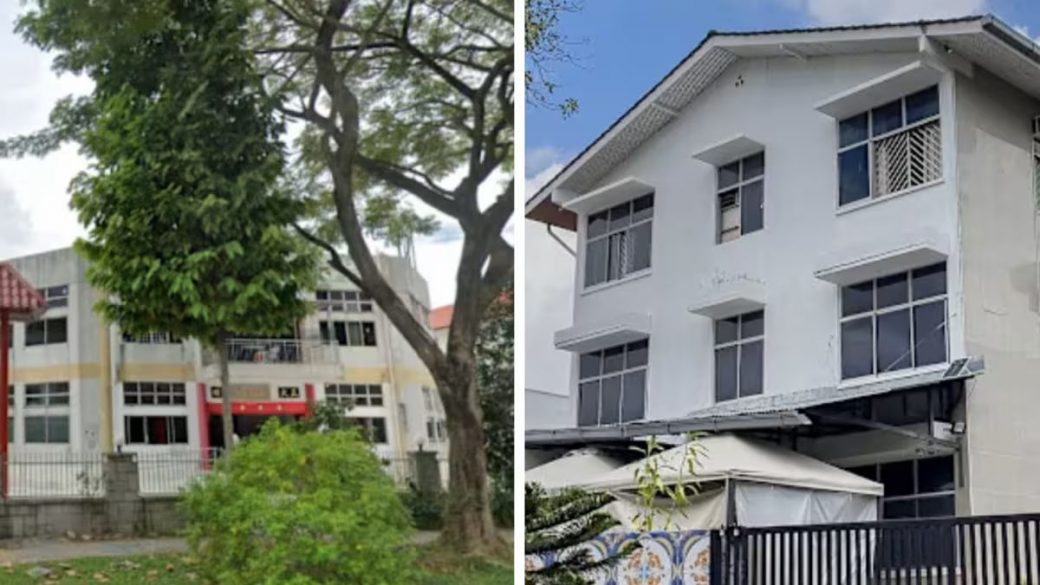
Singapore regulators revoked two nursing home licences within a two-week window, a rare clustering of enforcement that surfaces just as the country enters super-aged status and its demand for institutional elder care climbs.
The back-to-back actions matter because licence revocation is the most severe tool a regulator holds over an eldercare operator. It means a home is no longer permitted to house residents at all, forcing the relocation of frail, often medically dependent seniors and their families on short notice. Two such decisions in quick succession is not routine attrition. It reads as a signal about how much scrutiny the sector is now under, and how much scrutiny it needs.
Why the timing is the story
Singapore is classified as super-aged, the demographic threshold reached when more than one in five residents is 65 or older. That shift is not a forecast; it is the current baseline the care system operates against. As the pool of seniors grows, so does reliance on nursing homes for those who cannot age in place, and so does the volume of care that operators, staff, and inspectors must get right every day.
The demand side is not in doubt. The open question is whether the supply side, meaning the operators building capacity and the framework regulating them, can scale quality at the same pace as beds. Two revocations in two weeks is the kind of data point that suggests the answer is not yet settled.
What revocation actually costs
Enforcement in eldercare is a blunt instrument by design. Regulators can issue warnings, impose conditions, or suspend intakes before reaching the final step of pulling a licence. When they do revoke, the practical fallout falls hardest on residents. Relocating a dementia patient or a bedbound senior is disruptive in a way that relocating almost any other kind of tenant is not, and the families involved rarely have a ready alternative.
That cost is precisely why clustered revocations deserve attention rather than reassurance. On one reading, they show a regulator willing to act, which is a feature, not a bug. On another, they raise the harder question of what conditions allowed problems to reach the point of no return in the first place, and whether the earlier rungs of the enforcement ladder are catching failures soon enough.
The structural pressure underneath
A super-aged population puts steady upward pressure on every input the sector depends on: trained care staff, physical capacity, and the cost of maintaining standards across a growing number of facilities. When demand outruns the supply of skilled workers and well-run beds, the risk is that quality thins out at the margins, and the margins are where enforcement actions tend to originate.
The policy challenge is not only to add capacity but to add capacity that holds up under inspection. Building beds is measurable and fundable. Sustaining care quality across an expanding network is harder to guarantee, and it is the part that revocations expose when it fails.
What to watch next
The useful questions from here are concrete. Whether these two cases share a common cause or are unrelated will indicate if the sector has a systemic weakness or two isolated failures. Whether regulators tighten licensing conditions, inspection frequency, or intake rules in response will show how they read the pattern. And whether displaced residents are placed quickly and safely will be the near-term test of whether the system can absorb its own enforcement.
For a country whose demographics guarantee rising demand for elder care, the two revocations are less a scandal than a stress test. The number that matters is not two. It is the share of Singapore's population that will need this system to work in the years ahead.