

SK hynix Raises US$26.5 Billion in US Listing, One of the Largest Chip-Sector Debuts
SK hynix has raised US$26.5 billion in a US listing, one of the largest chip-sector debuts, as AI-driven memory demand pulls investor capital toward the sector.

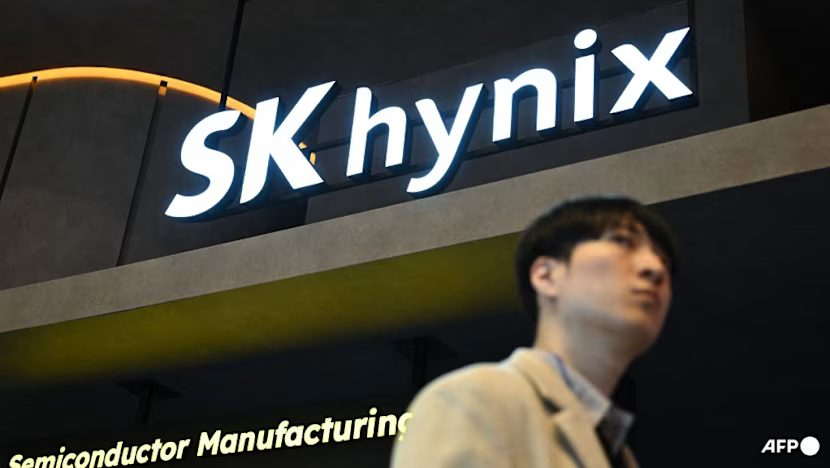
SK hynix has raised US$26.5 billion in a US listing, according to Channel NewsAsia, marking one of the larger capital-raising events by a semiconductor company and pulling a substantial pool of investor money toward the AI hardware supply chain.
The headline figure places the deal among the biggest chip-sector listings on record. For context, a raise of that size is measured in tens of billions rather than the single-digit billions typical of most technology IPOs, which signals the depth of investor appetite for exposure to memory chips at a moment when data-center demand is running hot.
Where the money is coming from
A US listing routes the raise through American capital markets rather than SK hynix's home market in Seoul, giving the company access to a broader base of institutional investors and dollar-denominated liquidity. For an issuer whose customers and revenue increasingly sit inside the US-anchored AI buildout, listing where that capital concentrates carries a clear strategic logic.
The specific allocation of the proceeds, the mix of primary versus secondary shares, and the identity of anchor investors are the details that determine how much of the US$26.5 billion actually lands on SK hynix's balance sheet versus flowing to existing holders. Those figures were not detailed in the source material available and warrant verification against the company's filing.
The AI memory backdrop
SK hynix is a leading supplier of high-bandwidth memory, the stacked DRAM used alongside AI accelerators to feed data to processors at speed. That product line has become one of the tightest and most profitable corners of the memory market, and it explains why investors are willing to underwrite a raise of this scale.
The strategic question for any analyst reading the deal is whether the capital is being raised to fund capacity expansion, to strengthen the balance sheet against the notoriously cyclical memory market, or to reward existing shareholders. Memory has a long history of boom-and-bust pricing, and a raise timed to peak demand carries the risk that new capacity arrives as the cycle turns. That is the standard caution to apply to any large chip-sector financing, and it should be weighed against the current strength of AI-related orders.
The Asia capital-flow angle
For the Asia-Pacific market, the deal is notable as a case of an Asian industrial champion reaching into US capital pools rather than relying solely on domestic or regional listings. A US$26.5 billion raise routed through American markets represents a meaningful cross-border capital flow, and it may influence how other large Asian technology and hardware companies weigh their own listing venues.
The transaction also reinforces the position of Korean memory makers at the center of the global AI hardware trade, a segment where SK hynix and its domestic peers hold a large share of world supply. How the proceeds translate into capacity, and whether pricing holds through the next stretch of the memory cycle, will determine whether the raise looks well-timed in hindsight.
Readers assessing the deal should look to SK hynix's listing filing for the confirmed use of proceeds, the primary-secondary split, valuation multiples relative to memory-sector comparables, and any lock-up terms before drawing conclusions on the transaction's structure.