
India Clears Vivo-Dixon Manufacturing JV, Opening a New Front in Its Smartphone Export Push
India approved a Vivo-Dixon smartphone JV that hands Dixon 51% control and could add up to 22 million phones a year, offering Chinese brands a durable local model.

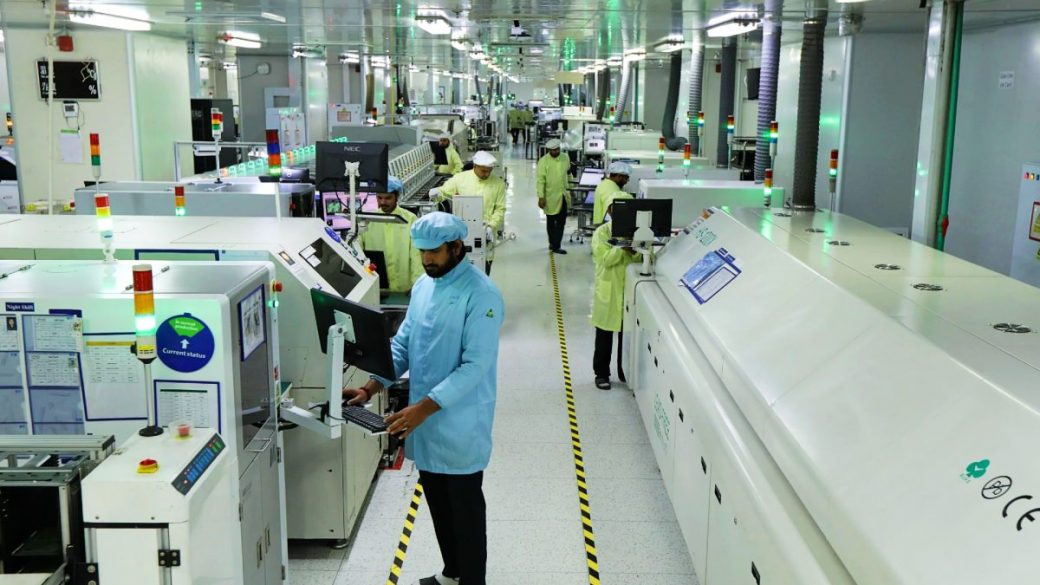
India approved a smartphone manufacturing joint venture between China's Vivo and local contract manufacturer Dixon Technologies on Thursday, clearing a deal that had been stuck since December 2024 and setting up what could become a repeatable model for Chinese brands producing in the country.
The approval came after New Delhi vetted the investment under rules adopted in 2020 that subject capital from countries sharing a land border with India, China among them, to extra government scrutiny. Those rules were tightened following the 2020 border clashes and have complicated expansion plans for Chinese electronics companies ever since.
Under the structure, Dixon holds 51% and Vivo the remaining 49%. The Noida-based company disclosed in a stock exchange filing that the venture will buy certain manufacturing assets from Vivo, produce a portion of Vivo's smartphone orders in India, and take on output for other brands as well.
Why the ownership split matters
The majority-Indian structure is the notable part. Vivo has manufactured and exported phones from India for years, but ceding control to a local partner marks a shift in approach, and one shaped by regulatory pressure. Vivo, Oppo, and Xiaomi have all faced tax and regulatory investigations in India in recent years, which helps explain why handing the controlling stake to an Indian company now looks like the more stable option.
"The approval of this joint venture creates a win-win for both players," said Tarun Pathak, research director at Counterpoint Research. He added that the arrangement gives Vivo better policy alignment while giving Dixon the scale to deepen local value addition and pursue exports.
Analysts at Counterpoint believe the 51/49 template could be copied across the industry as other Chinese brands look to formalize their India operations, according to the firm's assessment shared with TechCrunch.
The export gap
The deal points to a structural imbalance in India's smartphone sector. Chinese brands dominate domestic sales, holding 72% of the market, but contribute less than 10% of the country's exports, per Counterpoint data. Apple, by contrast, accounts for 57% of India's smartphone exports by volume despite a smaller share of local sales.
That gap is the opportunity. If Chinese vendors begin exporting from India at scale the way Apple's suppliers Foxconn and Tata do, they could broaden a manufacturing story that has so far been carried largely by the iPhone. India built its position as a global production hub over several years, driven by Apple's supply-chain diversification away from China and government incentives aimed at electronics manufacturers.
Vivo held the top spot in India's smartphone market with a 23% shipment share in the first quarter, according to Counterpoint.
What Dixon gets
For Dixon, India's largest electronics manufacturing services company, the venture could add roughly 20 million to 22 million phones in annualized volume based on Vivo's current sales, figures cited by Managing Director Atul Lall on the company's May earnings call. Dixon already assembles phones for Xiaomi, so the Vivo deal extends an existing role serving both global and Chinese brands.
The volume matters for a public company whose growth increasingly depends on landing contracts of exactly this kind. Whether the arrangement translates into meaningful export volume, rather than production aimed mainly at the domestic market, will determine how much it actually shifts India's export mix beyond Apple.