
Johor Polls Put Anwar’s Revenue-Sharing Problem Back on the Table
Johor's state election is pushing Malaysia's federal revenue-sharing debate to the front of PM Anwar Ibrahim's political agenda.

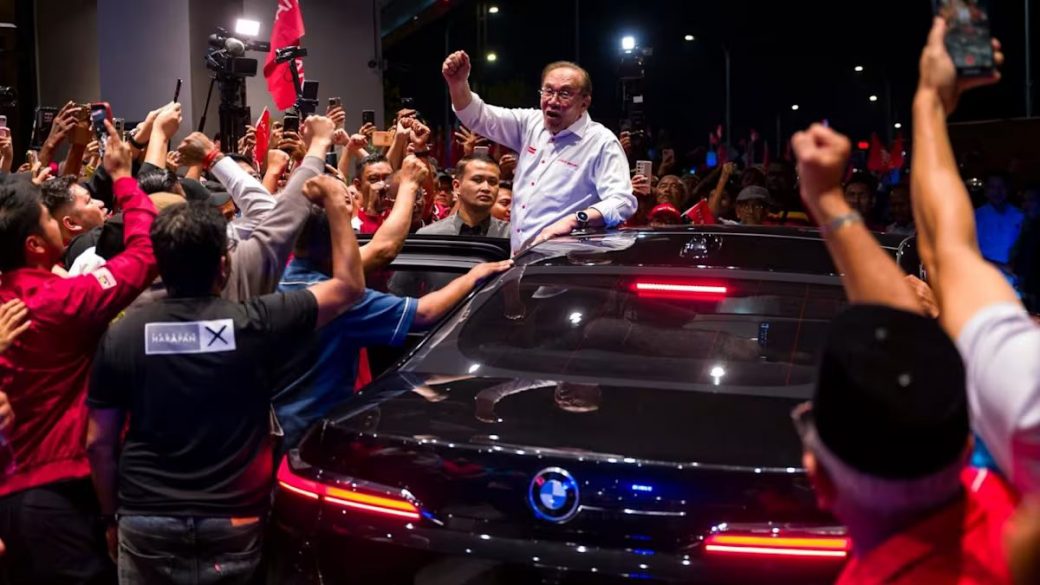
Malaysia's Johor state election is forcing Prime Minister Anwar Ibrahim to confront a question his coalition has largely deferred: how much of the revenue generated in the country's richest states should stay in those states.
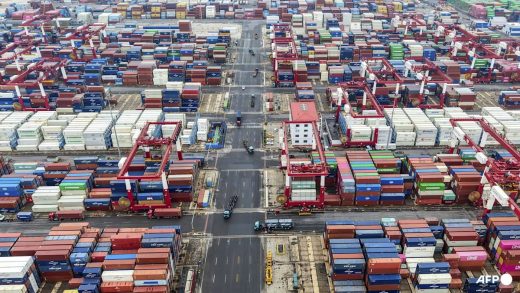
The dilemma is not new, but a state-level contest sharpens it. Johor, one of Malaysia's most economically active states and a key node in cross-border trade with Singapore, sits at the center of a longstanding argument over fiscal decentralisation. Local politicians have pressed for a larger share of the revenue produced within state borders, while the federal government retains control over the bulk of tax collection and disbursement.
Why the timing matters
State polls in Malaysia function as barometers for federal support, and Johor carries outsized weight given its industrial base and proximity to Singapore. A strong showing for the opposition would put pressure on Anwar to respond to grievances that resonate beyond Johor, particularly the sense that resource-rich states subsidise the rest of the federation without commensurate return.
The revenue-sharing debate touches states such as Sabah and Sarawak, which have historically argued for a greater cut of oil and resource earnings. Any concession Anwar makes to one state invites demands from others, which is the core of the political trap. Centralised fiscal control gives the federal government leverage over spending priorities and national programmes; loosening it risks weakening that leverage and complicating the federal budget.
The structural tension
Malaysia's fiscal architecture concentrates revenue collection at the federal level, then redistributes through transfers and development allocations. Wealthier states have long viewed this as unfavourable to them, arguing that the formula does not adequately reflect their contribution to national output.
For Anwar, the calculation is political as much as fiscal. His government has emphasised fiscal consolidation and reducing the deficit, goals that sit uneasily with handing more revenue autonomy to states. At the same time, ignoring the demand risks eroding support in economically important regions where his coalition needs to hold ground.
Johor is where these pressures converge. A campaign fought partly on the question of who controls state-generated revenue makes it harder for the federal government to keep the issue on the back burner.
What to watch
The outcome will signal how much appetite voters have for the decentralisation argument, and whether Anwar's coalition can defend its position without offering concrete fiscal commitments. The result is unlikely to resolve the underlying structural question, but it will shape how urgently the federal government has to address it.
Whatever the margin, the vote reframes revenue-sharing from a slow-burning constitutional debate into an immediate political one that Anwar can no longer easily set aside.