
US and Iran Exchange Fresh Strikes as Hormuz Standoff Escalates
The US and Iran have exchanged fresh military strikes over the Strait of Hormuz, reviving concerns for energy markets and Asian oil importers.

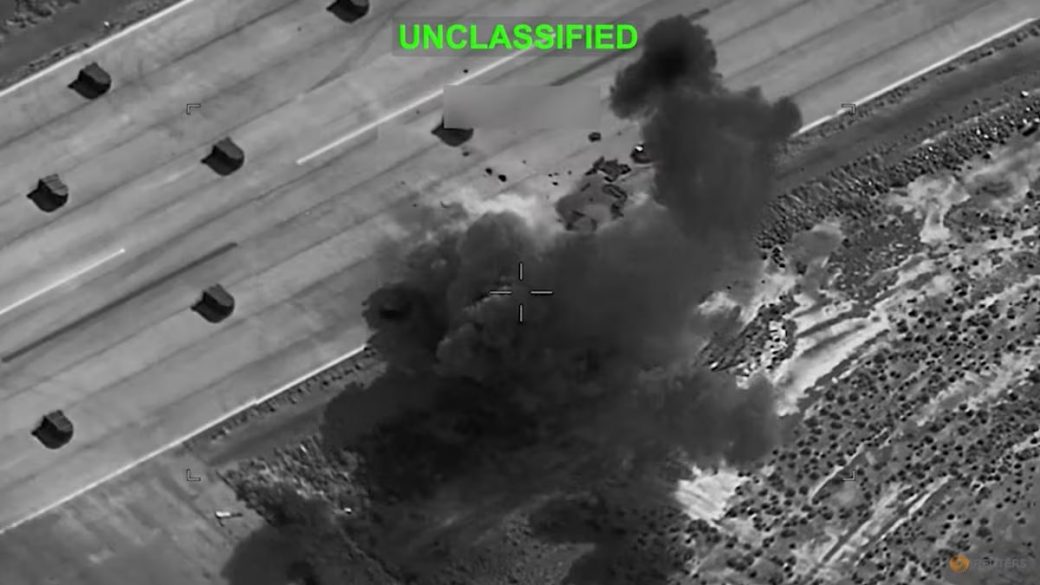
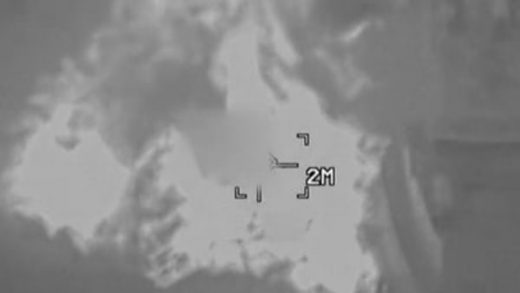
The United States and Iran have traded new military strikes in an escalating confrontation centered on the Strait of Hormuz, according to a report from CNA. The exchange marks a renewed phase in tensions over the narrow waterway that channels a large share of the world's seaborne crude.
The report did not detail the scale or precise locations of the strikes, and independent verification of casualty figures or the specific military assets involved was not available at the time of publication. What is clear is that the fighting has returned attention to the Strait of Hormuz, a passage that has long functioned as a pressure point in disputes between Washington and Tehran.
Why the Strait Matters
The Strait of Hormuz connects the Persian Gulf to the Gulf of Oman and the open ocean beyond. At its narrowest, the shipping lanes are only a few kilometers wide, which makes the corridor both strategically vital and physically vulnerable to disruption. A significant portion of global oil and liquefied natural gas shipments transits the strait, giving any instability there outsized weight in energy markets.
For economies across Asia-Pacific, the stakes are direct. Major importers including China, Japan, South Korea, and India draw heavily on Gulf crude that passes through Hormuz. Disruptions to the route, or even the credible threat of disruption, tend to feed into shipping insurance costs, tanker rerouting, and crude price volatility.
The Broader Confrontation
The latest strikes follow a period in which the two governments had signaled competing intentions, with references in the CNA coverage to a ceasefire framework that has now been overtaken by renewed hostilities. The pattern of escalation and pause has characterized US-Iran friction for years, but each flare-up around Hormuz carries the risk of drawing in shipping, regional militaries, and commercial vessels operating in the area.
At this stage, key operational facts remain unconfirmed, including whether commercial traffic through the strait has been formally restricted and how regional navies are responding. Those details will shape how markets and governments react in the days ahead.
What to Watch
Three factors are worth tracking. First, any official statements from Washington or Tehran that clarify the scope of the strikes and whether either side intends to press further. Second, the response of shipping operators and insurers, whose decisions on routing and premiums serve as an early read on perceived risk. Third, coordination among Gulf states and outside powers, which could either contain the confrontation or widen it.
For Asian importers dependent on Gulf energy, the immediate concern is not a single strike but the durability of the confrontation and its effect on the reliability of the Hormuz corridor.