
Oil Extends Gains as Renewed US-Iran Tensions Cloud Middle East Calm
Crude extended its rally for a second session as renewed US-Iran tensions unsettled markets that had started pricing in a Middle East de-escalation.

Crude prices climbed for a second session as renewed friction between the United States and Iran undercut expectations of a durable easing of Middle East tensions, according to CNA.
The move higher reflects how quickly energy markets reprice geopolitical risk when the prospect of a diplomatic thaw is disrupted. Traders who had positioned for calmer conditions found themselves adjusting to a scenario in which supply from the Gulf could again face disruption.
Why the flare-up matters for crude
The Middle East remains central to global oil supply, and Iran sits at the heart of two overlapping risk factors: its own production and its influence over the Strait of Hormuz, a chokepoint through which a large share of seaborne crude passes. Any signal that tensions between Washington and Tehran are escalating tends to add a premium to prices, as markets weigh the possibility of interruptions to flows.
The latest rally suggests investors had partially unwound that premium in anticipation of a peace track. The reversal shows how fragile those expectations were.
Markets recalibrate
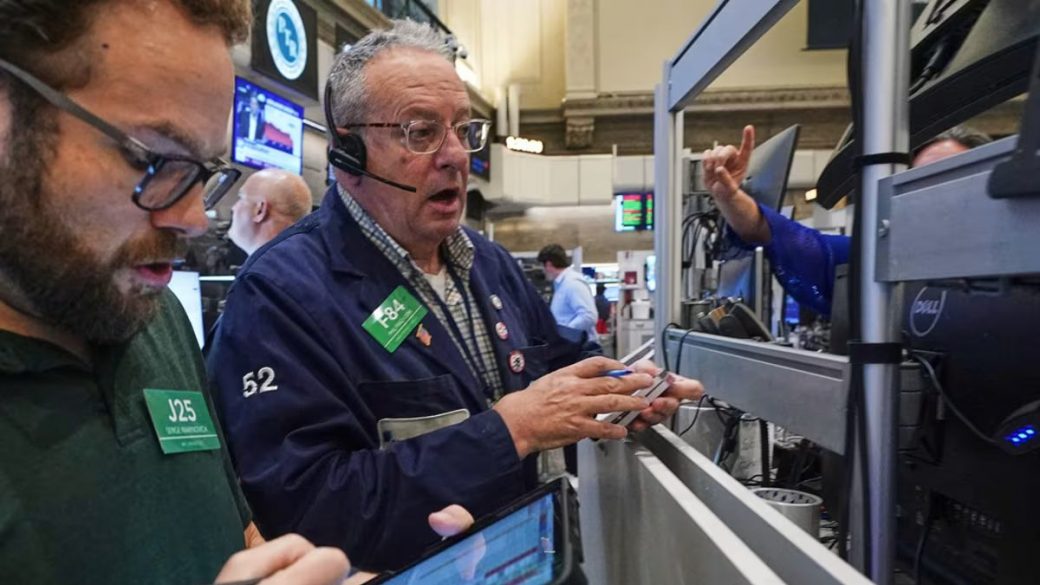
Equities and commodities moved in tandem with the shifting geopolitical read, with the oil rally coinciding with broader repositioning on Wall Street, CNA reported. The report did not detail specific price levels or the precise nature of the US-Iran incident.
For now, the direction of crude will hinge on whether the flare-up hardens into a sustained standoff or proves a short-lived episode. Markets have shown they will move sharply in either direction as the diplomatic picture changes.
What to watch in Asia
For importers across Asia-Pacific, the sensitivity is direct. Economies including China, India, Japan and South Korea rely heavily on Gulf crude, and sustained price gains feed into fuel costs, inflation readings and current-account balances. A prolonged risk premium would tighten the margin for refiners and add pressure on energy-import bills across the region.
The near-term question is whether the current move marks the start of a broader upturn or a brief spike that fades if tensions cool.